

Wednesday
October 7

10:30 AM
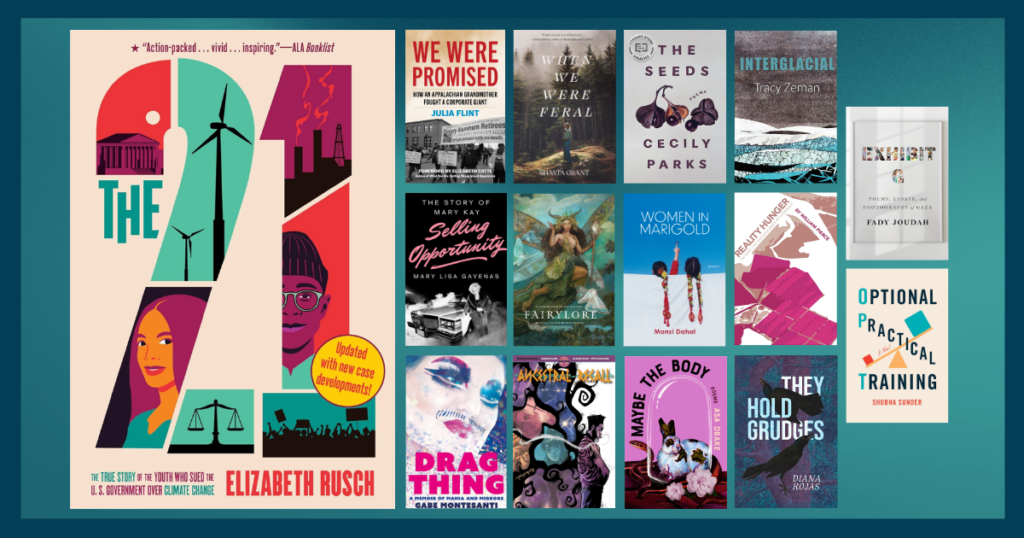
Sometimes, knowing your history can save your future. Jordan Clark’s graphic novel, Ancestral Recall, follows Melvin Waring, an eccentric painter, who has to tap into the literal power of Black history when his wife mysteriously disappears. On his adventure, Melvin encounters icons such as Jean-Michel Louis and Cheryl Lin Glass, who help him travel through time to save his wife. Clark is a Baltimore-based comic writer who has worked for DC Comics and Image Comics.
11:50 AM
You’ve seen the pink cars, you’ve met the consultants, and you’ve purchased the pink products. Now learn the fascinating rags-to-riches tale of Mary Kay Ash, the beauty business mogul who revolutionized direct selling. In Selling Opportunity: The Story of Mary Kay, Mary Lisa Gavenas draws on fifteen years of research to examine the dutiful daughter born in Depression-era Texas who built a powerhouse business growing from a 500-square-foot storefront to an empire of 3.5 million reps in over 35 countries. Lit Hub calls Selling Opportunity “Ever gripping, wry, and immersive, this biography is for the many readers who love the specific cultural histories that reveal the grander truths of our time.” Deidre Woollard will moderate this event. Presented in Partnership with OLLI Mason.
Location: Online via Zoom
12 PM
Discover the hard-earned truths of being queer in the American Midwest, all while living with a treatment-resistant bipolar disorder. Gabe Montesanti’s Drag Thing: A Memoir of Mania and Mirrors recounts their journey to becoming the “drag thing,” Fender Bender, and the difficulties balancing their art in a political environment where being visibly queer is more and more dangerous. Diane Seuss says, “Set against the backdrop of escalating violence against queer bodies, Gabe’s story is one of the enticements of art as a platform of survival and its perilous intensity, as she discovers she is neither king nor queen but a thing, reigning over the grand in-between.” Holly Mason Badra will moderate this conversation. Sponsored by Women & Gender Studies.
Location: Online via Zoom
12 PM
Three girls investigate the disappearance of their mothers; a man seeks to clear his name after an accusation of a childhood crime. Shasta Grant and Diana Rojas explore friendship, family, grief, and secrets in their novels. Grant’s When We Were Feral follows thirteen-year-old Maggie and her friends after two of their mothers vanish without a trace. Author Chelsea Bieker says, “Haunting, propulsive, and brilliantly observed, this unforgettable novel is chock full of emotional suspense and depth—a stunning exploration of friendship, loss, mothers and daughters, and the ferocity that lies dormant in us all.” Rojas’s They Hold Grudges follows Rob, who is accused of a crime by his younger cousin. Rob has to clear his name while his family tries to ignore the tension boiling under the surface. Author Caroline Bock says, “A riveting multi-generational story of a family’s descent into lies and deceit…vivid and masterfully told story of how gossip and innuendo make all question what the truth is.” Jessica McCaughey will moderate this event.
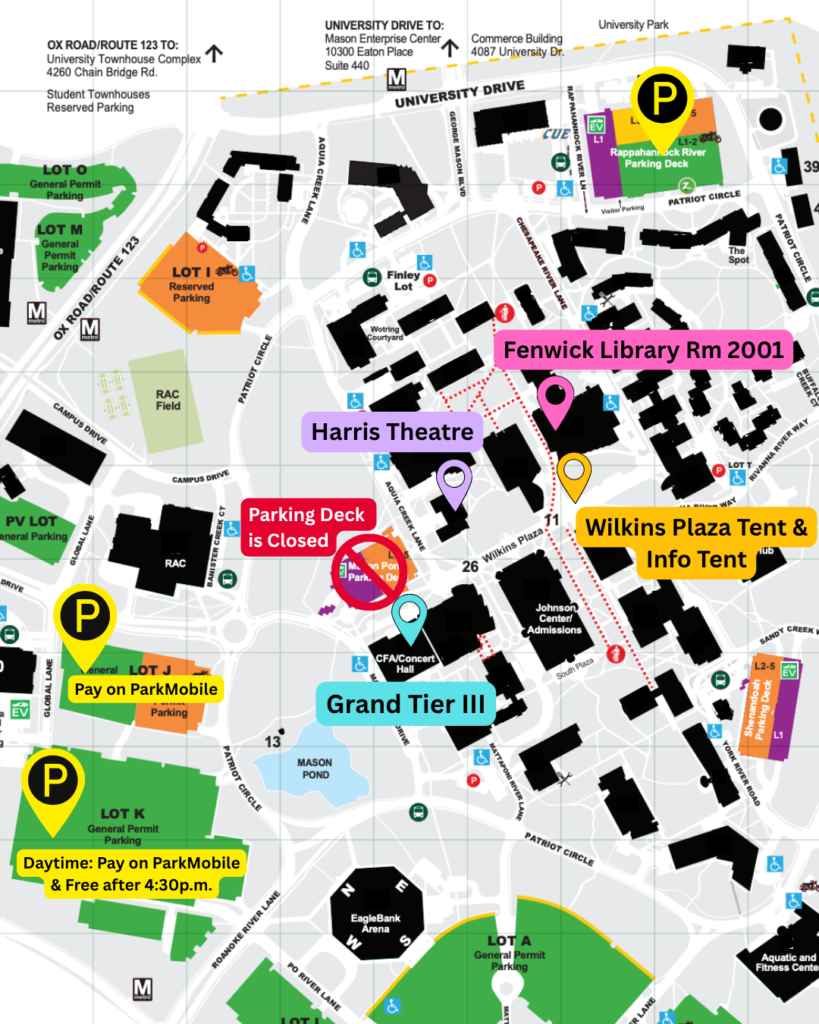
Location: Wilkins Plaza Tent, between the Johnson Center and Horizon Hall, George Mason University
1:30 PM
Two ecopoets examine the majesty of the natural world and their connection to it. In The Seeds, Cecily Parks explores what it means to care for family and the earth that sustains us all. Reviewer Rebecca Jane says, “The Seeds empowers fresh perception, until perception becomes synonymous with ecological compassion. … These poems reveal the urgency of nurturing renewed stewardship of the land, the plants, the creatures, and ourselves.” In her collection, Interglacial, Tracy Zeman wanders along the landscapes of the Great Lakes, considering the way they connect to past and future. Author Kelly Hoffer says is, “invokes a ‘commonwealth in / sea & syllable,’ rendering the coast of the Great Lakes as lines in flux, both shaping and shaped by language. No naïve pastoral, these poems border scatterings of styrofoam and Superfund Sites, reminding us that our moment is one of ecological crisis.” Mason MFA student McKinley Johnson will moderate this event.
Location: Wilkins Plaza Tent, between the Johnson Center and Horizon Hall, George Mason University
1:30 PM
Two debut poets examine the way tradition and politics affect family and landscapes. In her collection, Maybe the Body, Asa Drake braids together the stories of generations of women in her family and the way the Philippines and the American South shaped her lineage. Author Phillip B. Williams says, “This book is about places and homes: ones we don’t want to lose, ones we find in others, and those we must decide to build for ourselves. Maybe the Body is the home I have longed for.” In Women in Marigold, Mansi Dahal travels from Kathmandu to New York City, examining the ache to belong somewhere. Bhanu Kapil says, “Women in Marigold formulates the devastation of scale as a condition of diasporic presence. Sometimes there’s a splinter. Sometimes there’s a house. Sometimes there’s a sea.” Lee Krauss will moderate this event. Sponsored by Women & Gender Studies.
Location: Fenwick Library, Room 2001, George Mason University
3 PM
In tales from around the world, fairies and fae trick, tease, seduce, and terrify. Folklorists Sara Cleto and Brittany Warman explore their many distinct cultural depictions in Fairylore: A Compendium of the Fae Folk. From the leannán sídhe in Ireland to the dvorovoi in Russia, and from from the Brazilian curupira to the moksin tongbŏp of Korea, this richly-illustrated and researched book dives into the folklore behind the different iterations of fae all over the world. Author Mary McMyne says, “With gorgeous illustrations befitting a medieval bestiary and witty prose that reads like a coffee date with your folklorist best friends, this is a fairy encyclopedia like no other. A startling, wondrous compendium of the nebulous beings that haunt the human world.” Cleto and Warman are the co-founders of The Carterhaugh School of Folklore and the Fantastic.
Location: Fenwick Library, Room 2001, George Mason University
6 PM
Novelist Shubha Sunder and editor William Pierce come together to discuss careers in writing and editing. Sunder is the 2025 New American Voices Award winner for Optional Practical Training, about a young woman from India using her extra year on her student visa to collect conversations with numerous people in her life. Author Megha Majumdar calls it “Gloriously inquisitive about an immigrant’s peculiar position, at times delightfully combative, at other times wrenchingly gentle.” Pierce is the author of the critical essay, Reality Hunger: On Karl Ove Knausguard’s My Struggle, and is the editor of AGNI literary and cultural magazine. Pierce and Sunder run a speakeasy together in Boston. Sponsored by Mason Creative Writing.
Location: Fenwick Library, Room 2001, George Mason University
6 PM
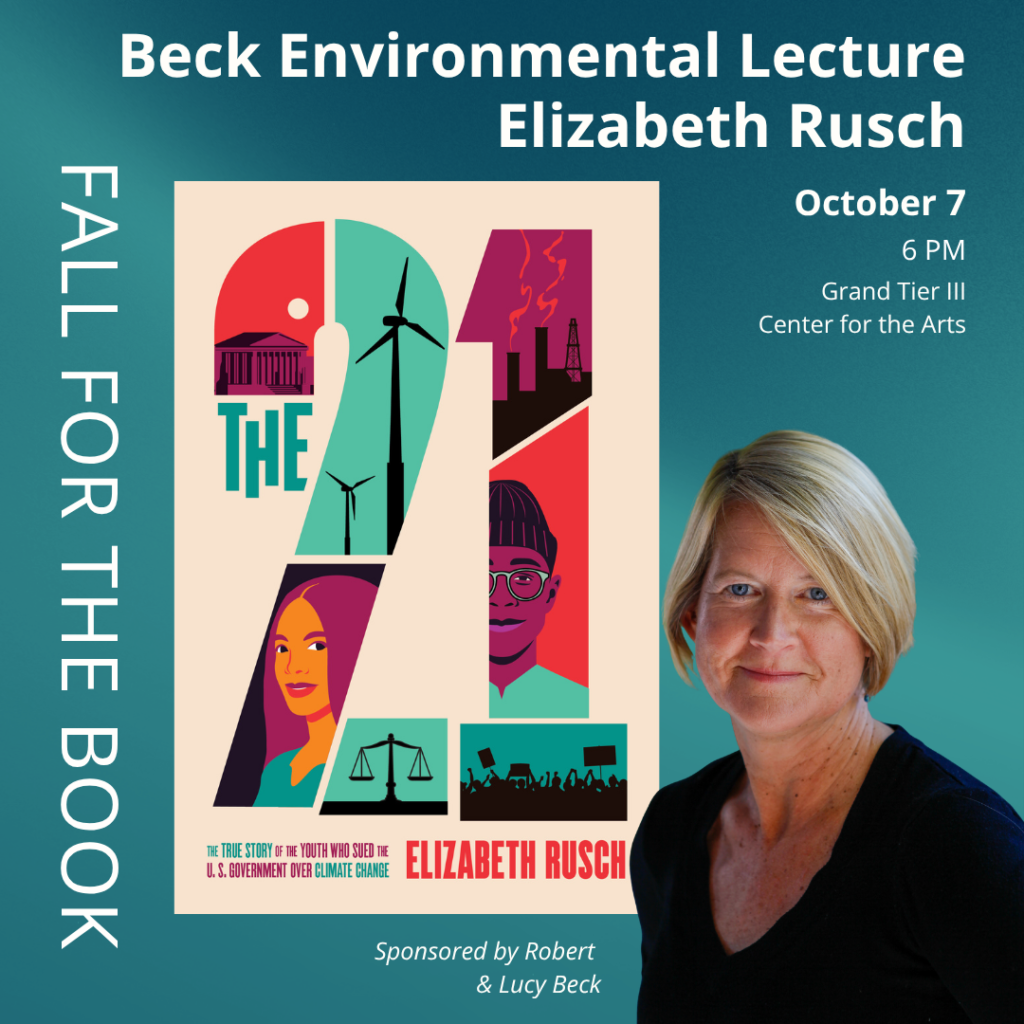
In 2015, twenty-one plaintiffs, aged 8 through 19 filed a lawsuit against the United States government, arguing their support of fossil fuels is propelling climate change, and that “all citizens have a constitutional right to a stable climate.” Elizabeth Rusch tells the compelling story of this ongoing landmark case in The Twenty-One: The True Story of the Youth Who Sued the U.S. Government Over Climate Change. The book interweaves the trajectory of the case–Juliana vs. United States–through the judicial system, catalogues the ongoing climate emergencies, and gives voice to a crucial branch of climate activism: youth activism. Booklist gave The Twenty-One a starred review, saying, “The groundbreaking accomplishments of the Twenty-One are celebrated, as is the work of young climate control activists around the world… Inspiring.” Sponsored by Robert & Lucy Beck.
Location: Grand Tier III, Center for the Arts, George Mason University
7:30 PM
Celebrated Palestinian American poet Fady Joudah reads from and discusses his award-winning body of work, including […], which was a finalist for the 2024 National Book Award for Poetry. His newest collection, Exhibit G: Poets, Essays, and Photographs of Gaza is written from the perspective of a Palestinian physician in the United States bearing witness to the ongoing genocide in Palestine. It seeks to understand grief, loss, and unwavering love in the most dire of times. Joudah is a Guggenheim Fellow, the co-founder and co-editor of the Etel Adnan Poetry Prize and has translated several collections from Arabic, the work of famed poet Mahmoud Darwish. The Guardian says “critics consistently highlight his gift as a ‘translator between the heart and the mind, the flesh and the more-than-flesh.’” Sponsored by Mason Creative Writing.
Location: Fenwick Library, Room 2001, George Mason University
On Demand
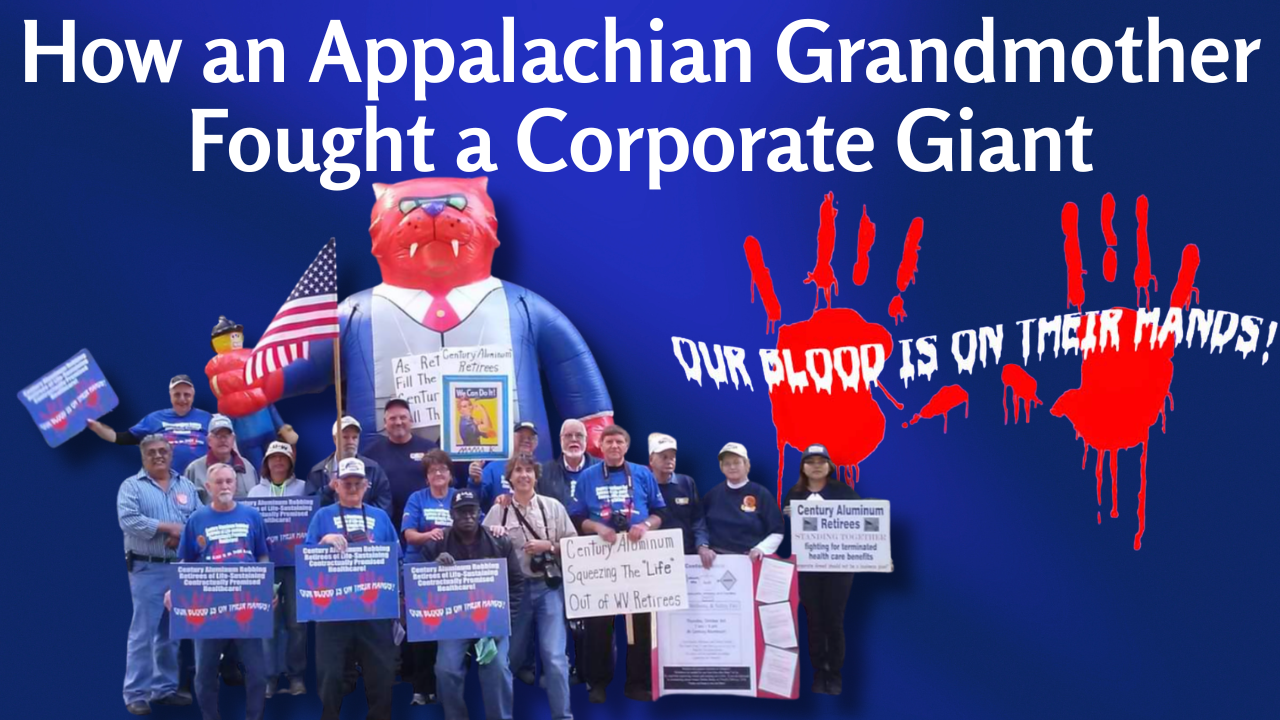
When Century Aluminum revoked the retirement benefits of their Ravenswood, West Virginia retirees, including health care for many, the consequences were dire. Julia Flint, author of We Were Promised: How an Appalachian Grandmother Fought a Corporate Giant tells the inspiring story of Karen Gorell and the community of retirees who came together to fight back and win against a corporate Goliath. Author Lou Martin says, “Flint focuses on these activists’ strategies and emotional ups and downs during a fight that, in many ways, gave them dignity in their darkest hour. This is such an important story for this moment, because so many are being denied retirement benefits that can literally be the difference between life and death.”
Watch starting at 4:30 p.m. on Wednesday, October 7.
Finding Events
Finding Events
From the Mason Pond Parking Deck, walk up the plaza, past the statue of George Mason towards the big clock. You’ll see the Wilkins Plaza Tent in the middle of the plaza.
To get the to Fenwick Library Room 2001, enter Fenwick Library, go up the stairs, and take a right. You’ll see the banner at the end of the hallway for room 2001.
Grand Tier III is located in the Center for the Arts, which is right outside the bottom of the Mason Pond Parking Deck.
Parking
Important 2026 Update: Mason Pond Parking Deck is closed to Visitor Parking. There are a few Visitor spaces in Rappahannock River Parking Deck, but they fill quickly. We strongly recommend parking in Lot K, near Eaglebank Arena. Pay for your space via ParkMobile app. Rates can be found here. Lot K often is where the bulk of students park, so please leave extra time to find a spot and walk. It is a 5-10 minute walk to festival events from this location. If you require handicapped parking, please use the icons on the map to the left to locate them. Lot K is free after 4:30 p.m. on October 7 & 8.
If you are traveling by Uber or Lyft: We suggest being dropped off using the following address: 4471 Aquia Creek Ln, Fairfax, VA 22030.
To park in Lot K, use the Roanoke River Road entrance off of Braddock Road, across from University Mall. Lot K is the first left from that entrance.